Thoughts on web, design and CMS.
Practical writing about how we build Modulo CMS and what we've learned.
Nuxt 4: The fullstack framework that changes the rules
Why we chose Nuxt 4 for Modulo CMS and what it means for speed, scalability and custom development.
Cloudflare: Why we left traditional servers
Edge computing is not a buzzword. It is the reason Modulo CMS runs fast anywhere in the world — without expensive servers.
D1 + R2: Database and storage without servers, without invoices
How Cloudflare D1 and R2 eliminate the need for a database server while reducing costs to zero for most projects.
Modulo CMS vs AI builders: When Lovable is not enough
AI builders like Lovable are great for prototypes. For production client websites you need something different.

AI and content creation — a partner, not a replacement
Where exactly does AI help with web content creation? And where does it hurt? Practical experience from the Modulo CMS project.

Modern web for small businesses — where to start and what you really need
A small business does not need an enterprise solution. But it needs a professional website that grows with it and does not consume the entire marketing budget.

Design system — why set the rules before you start coding
Consistent design is not by chance. It is a system. How we approached visual consistency in Modulo CMS and why it saved hundreds of hours.
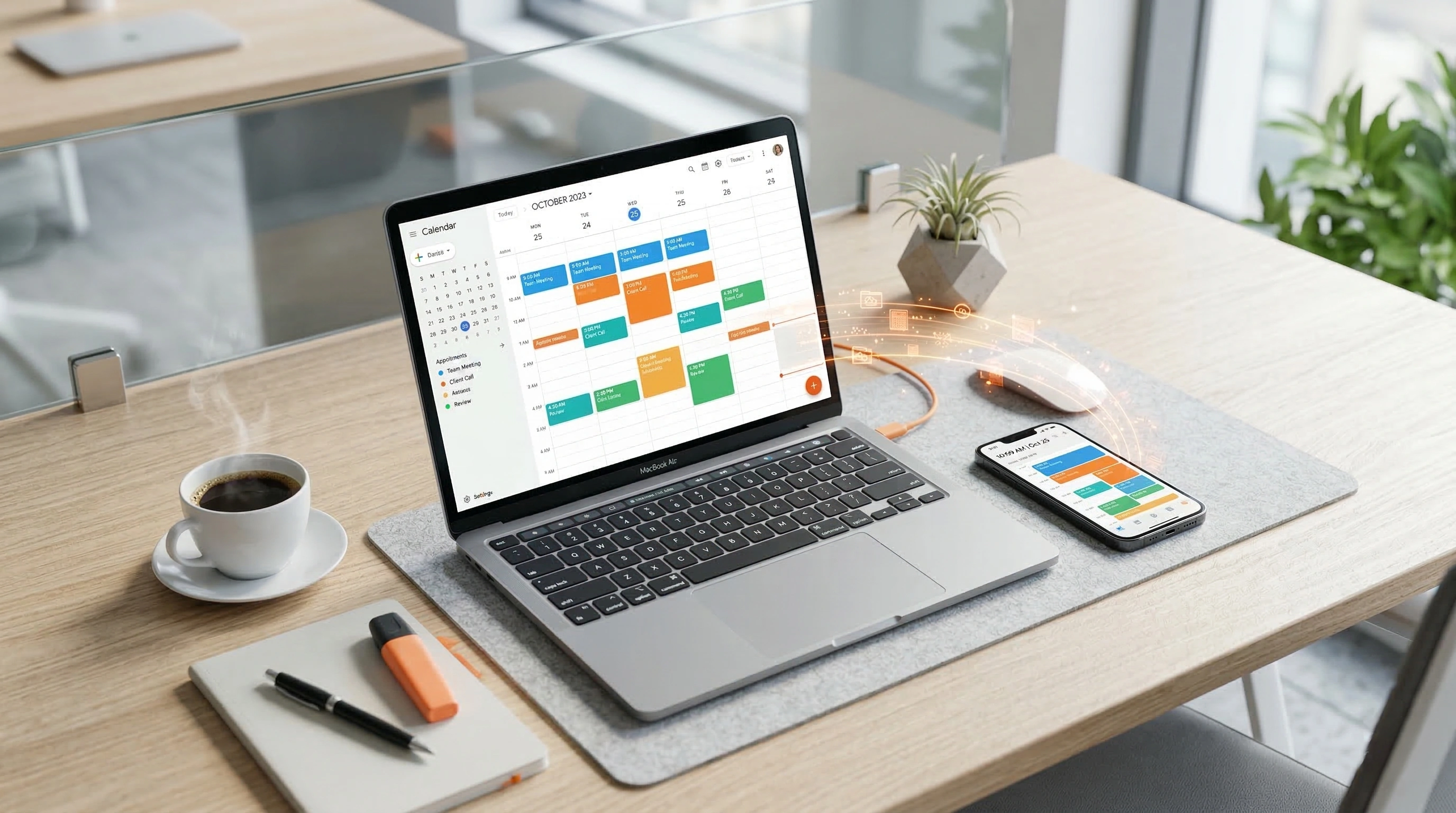
Nuxt 3 — why it is our choice for modern web
SSR, SSG, hybrid rendering, edge deployment... Nuxt 3 handles it all. We explain why this technology is the foundation of Modulo CMS.

Blog module — from writing to publishing in 3 steps
See how the editorial workflow works in Modulo CMS. No special tools — just text that finds its way to the reader.

Why we bet on headless CMS — and never looked back
Traditional systems tightly couple content with presentation. The headless approach separates them and gives you freedom. Here is what we learned.
The whole system. One admin.
Each module works independently — or together in one admin panel with shared roles and permissions.